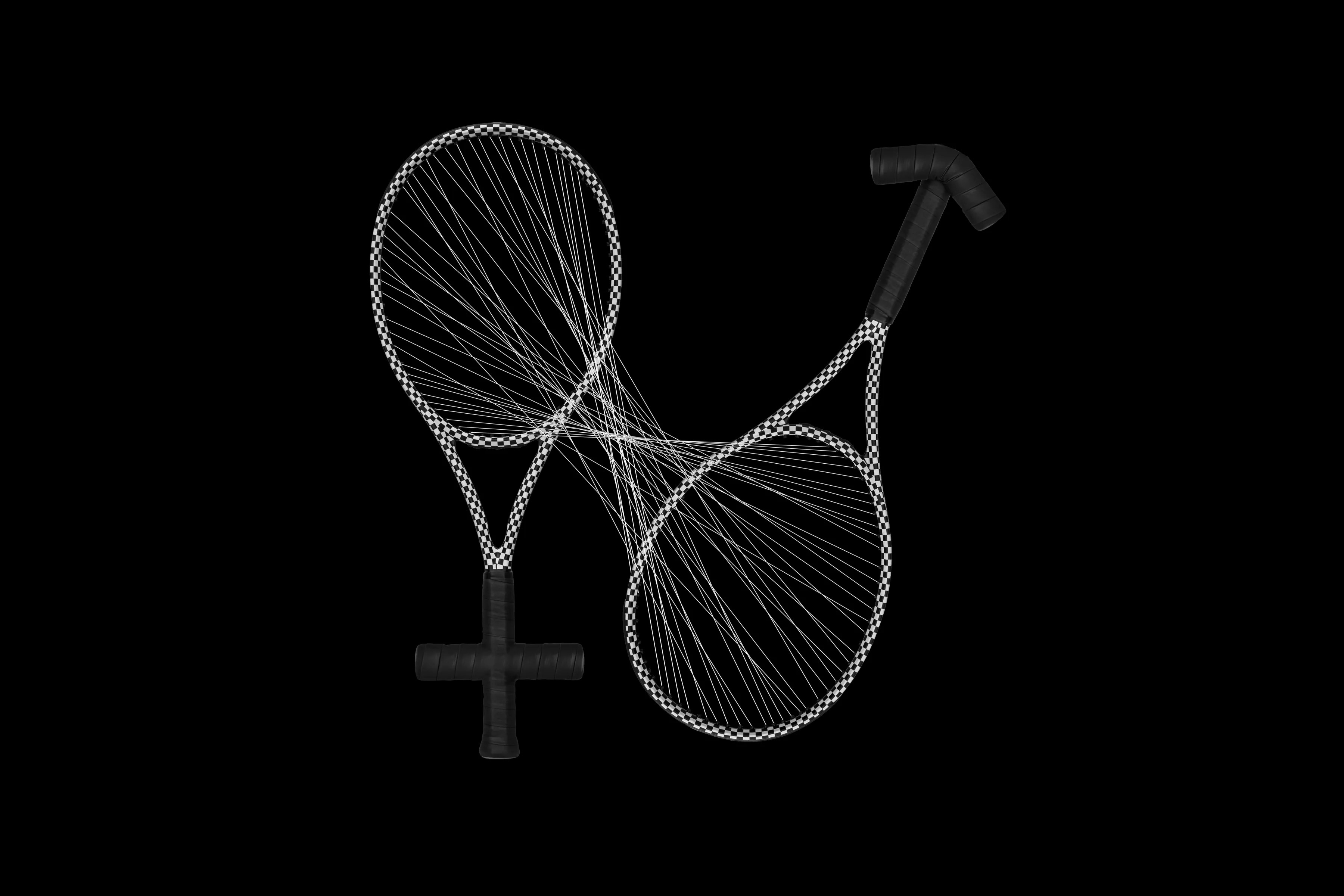

There’s a snide school of thought in recreational tennis: that he who walks onto their local with a four-racquet bag is almost never a good player. Hauling your stuff in a nondescript grocery bag, on the other hand? That’s a harbinger of skill; something close to a threat. And it’s perfect for tennis, a sport that’s needed to be humbled since time immemorial.
Tennis is hard, it’s expensive, its rules are labyrinthine to the uninitiated. The grandest of the slams can’t quit its haughty white conventions—skirts with stern pleats, compliant footwear so virginal it makes the royal family look tan—because it is positively uncouth, darling, for perspiration to show on one’s attire when their pores betray them. A newcomer might feel bullied at the sight of a scrupulously manicured country club, and never find out that the guy thumping forehands on court three started out the same way.



A newcomer might feel bullied at the sight of a scrupulously manicured country club, and never find out that the guy thumping forehands on court three started out the same way.
For Nikolaj Hansson, founder of tennis-leaning menswear brand Palmes, the sport’s brutal learning curve and its delayed gratification were strangely seductive. “I stopped skating in my early twenties, but I missed that feeling of having to earn it; having to work for it,” he tells me. “I love tennis. I also hate tennis in a positive way. It's not always a good day at the skatepark; it's not always a good day at the tennis court—but the reward you get is so worth it.”

Because tinkerers will tinker, Niko’s tinkering soon extended to clothes. “I felt like tennis was either retro-nostalgic or very performance-driven, and there wasn't really anything that I felt myself relating to,” he tells me, having just lost to the sixty-year-old co-founder and former chef of Noma while wearing a washed-out vintage Pirelli tee. (“His whole leg is literally in a brace, and he kicked my ass. Very humbling.”) And so in 2021, with an unputdownable fixation with tennis, Niko started Palmes; a brand that sees double-breasted Spanish cotton blazers and pigment-dyed ringer tees fraternize with the perfect pair of shorts.
Today’s offerings are, respectfully, as sexless as white goods.
That modern-day tennis clothes are unrelatable is, to me, relatable. Trawling the deep reservoirs of Sharapova-era Nike on the resale market serves to highlight that today’s offerings are, respectfully, as sexless as white goods. Coco is often celebrated by those who opine on style, but really, she is often wearing a common “tennis dress” with a $1,300 logo. It must be nice to crank serves like Taylor Fritz, but can we spare a thought for the ghastly Boss outfits he’s contracted to wear for years to come?
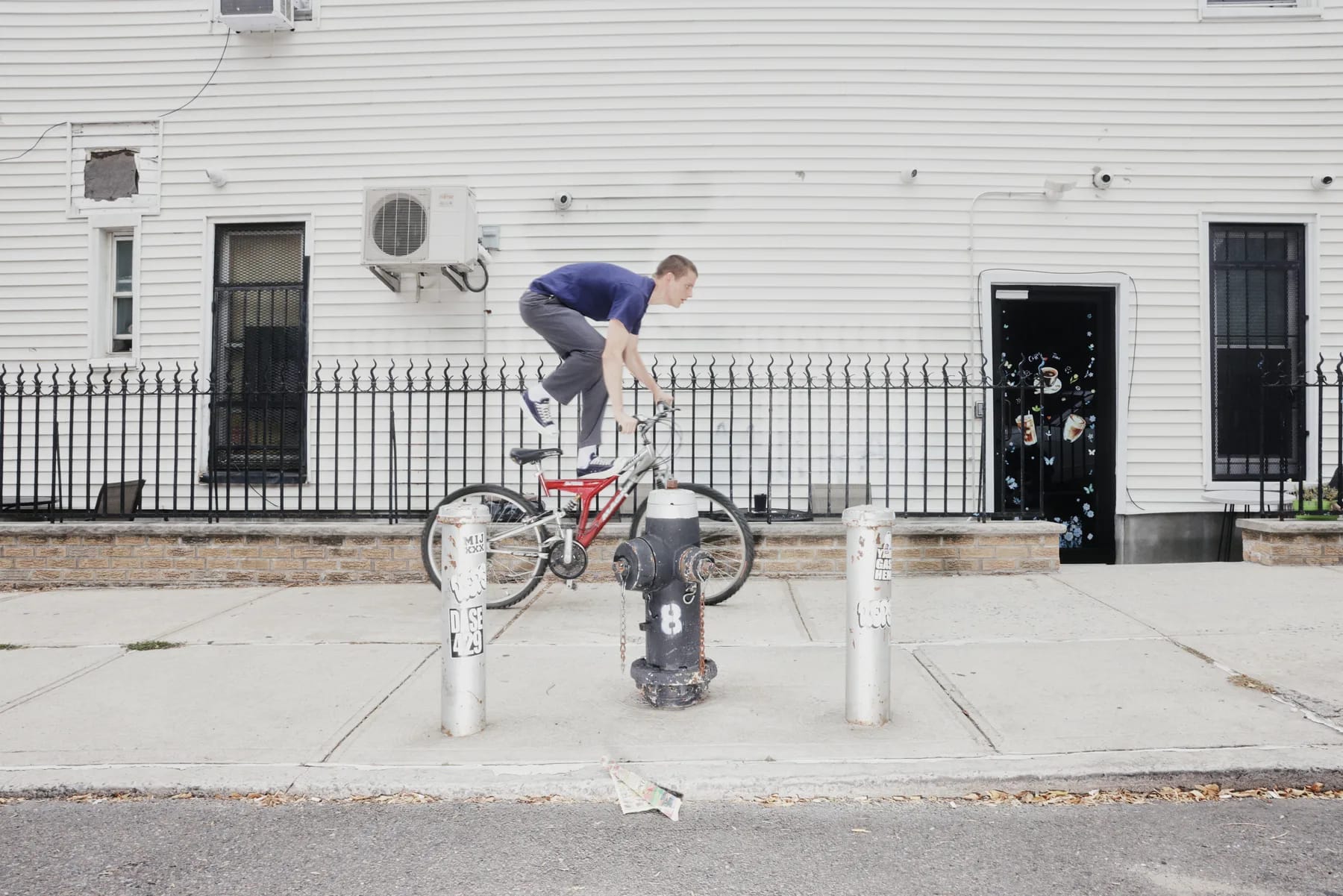
You know how rich people buy up a designer store and wear all of it at the same time? Relatedly, I reject playing in a polo dress and a visor. Both looks are big on performance, but lack any salient point of view (except perhaps a text overlay that reads, POV: you play tennis). Cross-pollination will help to right the ship. The band tee you’ve drunk a hundred beers in. Shorts you’ve worn to bed before. A well-worn t-shirt, Pirelli or otherwise. Tennis clothes are just clothes you wear to play tennis.
Tennis clothes are just clothes you wear to play tennis.
The coherent jumble of it all, naturally, is what makes Palmes feel like a body of work. The brand’s latest offering is a lived-in iteration of Converse’s ninety-year-old Jack Purcell silhouette—a handsome shoe for off-court endeavours—and isn’t beholden to genres. “I have a photo from 2012 of me skating in Jack Purcells, even though they made [actual] skate shoe versions of it,” Niko says. He maneuvers the Palmes green canvas version (which looks sun-faded; an engineered illusion) into our mutual Zoomosphere to show its chain-stitched logo, reminiscent of a stick-and-poke. “I like stuff that feels kind of homemade,” he says. “It works well at the country club, but it also works at the punk show and the skatepark. It's very rare that items have that stylistic duality. I think culturally, it's because tennis is high-low.” He goes on to anthropomorphize the green shoe as the grinder and the blue shoe—which has a suede finish that’s almost imperceptible—as a more pedigreed player (the Federer, if I’m weighing in). Though he’s quick to add that he’s beaten up his blue suede shoes, and that you should too. “You can see when the suede starts wearing… they become really, really good. That’s why I picked these fabrics.”


The JP silhouette harks back to an unlikely liaison between Jack Purcell the guy—a champion badminton player—and a tire manufacturer, the B.F. Goodrich Company, who birthed the original in 1935. Call it imagination; call it “working cross-functionally between teams.” Since then, it’s belonged to everyone and therefore no-one: Kurt Cobain, James Dean, Selena Gomez, Steve McQueen, and my personal favorite, the Devon Lee Carlson of the ‘90s, Jennifer Love Hewitt, have all worn the Jack Purcell to some kind of charismatic end. “This shoe is still relevant after ninety years which to me is baffling in a world where we turn over trends [at the rate we do],” says Niko. It’s been reimagined by brands as far-flung as Missoni, who made a knit version in their signature zigzag in 2013, and hypebeasts CLOT, who in 2022 made a panda-inspired edition with a white hair-on-hide upper (risky!), faux fur tongue, and a paw print on the outsole. All of this feels suspiciously similar to what we ought to be doing on court: bringing the outside (references) in.


All of this feels suspiciously similar to what we ought to be doing on court: bringing the outside (references) in.
Dare I mention “taste” and the flattening of it, a dominating discourse in certain corners of the internet? Algorithms have forged a monoculture that coexists with the creator economy, meaning this same-sameness is tragically commodified through affiliate links blindly deployed. “I think taste is about being curious and being open, and also finding things that you disagree with and letting them get under your skin in a good way,” Niko says. “You also figure out why you don't like them, because then you'll know what you do like, rather than so much of the broad-brush stuff that we see now.”
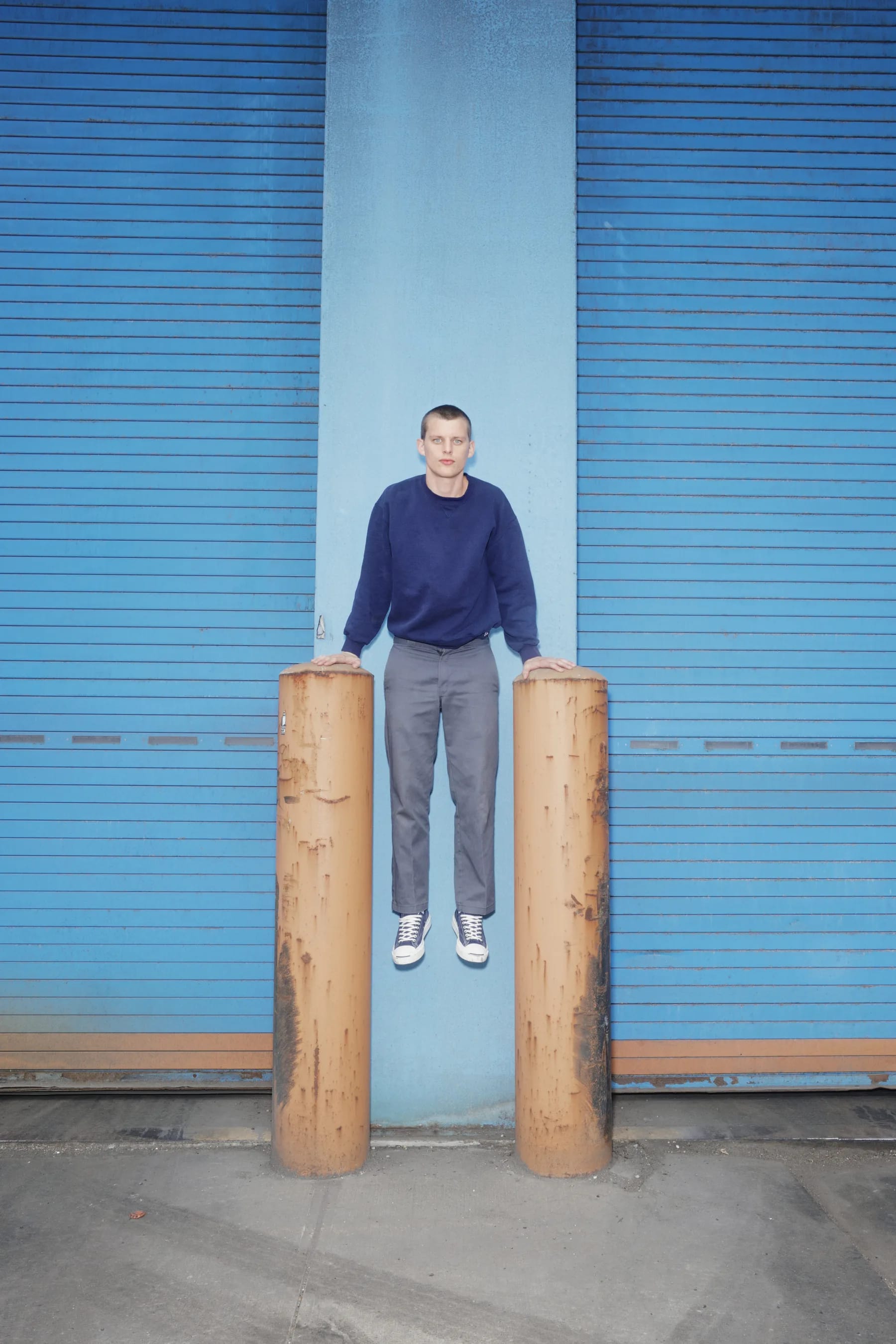
The way people dress for tennis has always been literal; one note, as if prescribed by a healthcare professional. Ask your doctor if preppy or preppier is right for you. But if taste is the natural accumulation of a person’s lived experiences, then it’s never been about purity. I would be chuffed to see you on my local in a swim tankini or swishy capris (not unlike the pirate-leaning pairs Rafa wore in the early aughts)—in any case, but especially if you are ripping.